Your website won’t grow on its own

Key takeaways
- A website is an ongoing business driver that needs continuous care.
- Clarify your site’s main goals, make sure someone really tracks them and remove the obstacles to conversion.
- No interesting content, no audience: your site now needs to be findable in AI search as well as in search engines.
- Findability comes from combining technology and content. There’s no magic trick to it.
- Set aside budget for further development: a website’s lifecycle is 3 to 5 years, and your resourcing should reflect changes in the business and in search behaviour.
Your website is live, analytics is ticking over and your salespeople are eagerly waiting for leads. Job done, so you might as well let the website run itself.
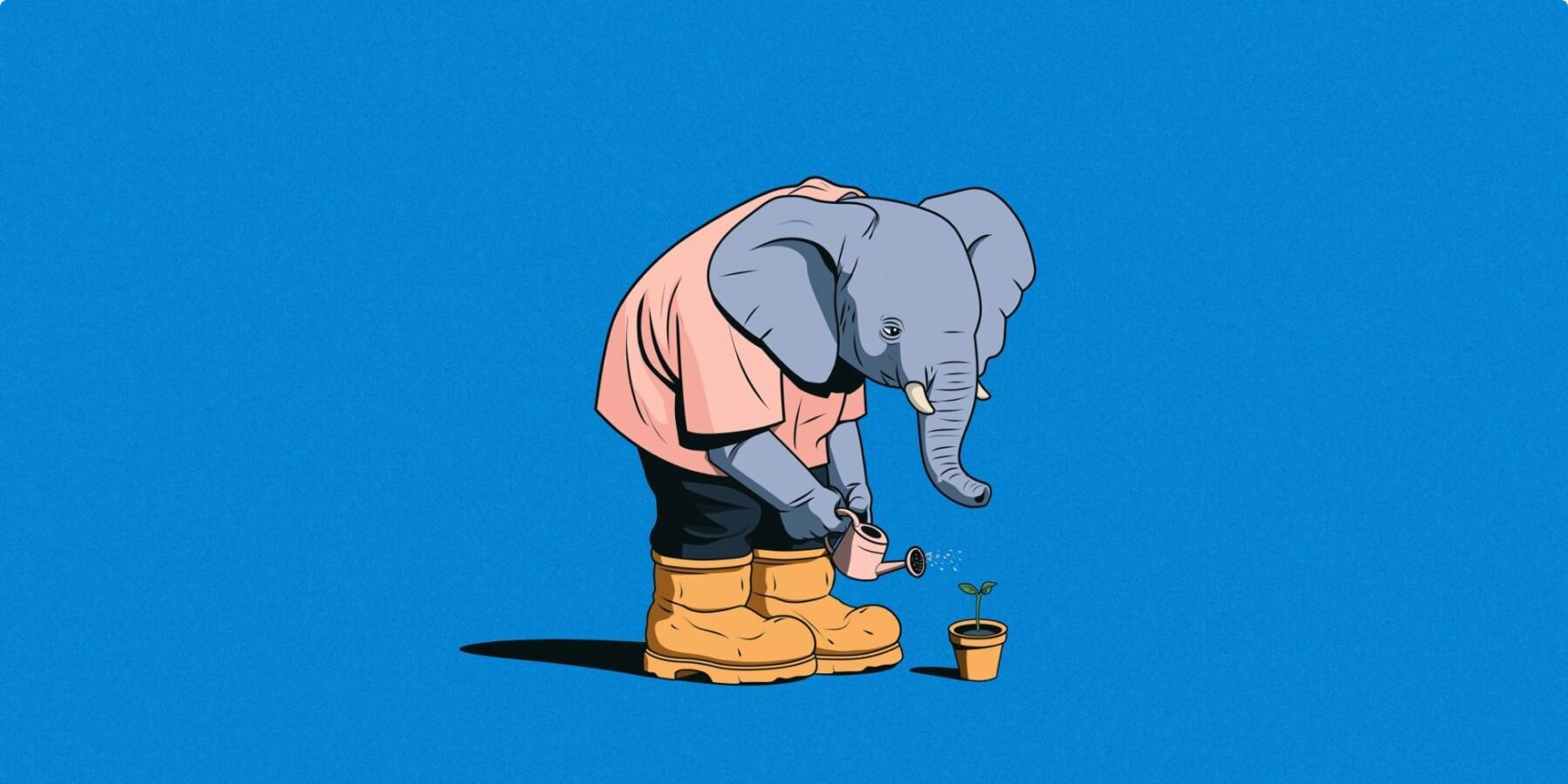
Or… should you treat your website like a child? Give it meaningful things to do, room to develop and a chance to reach its goals?
To keep your website from gathering dust and ending up friendless, it’s worth starting with three basic principles:
Your site has goals, so track them
B2B decision-makers’ desks are full of ‘nice to have’ lists, but what are your website’s main goals? Why does the site exist and what do you want its visitors to do? Is the priority enquiries, for example, or time spent on the site? When you think about developing your site to its full potential, remind yourself:
- What goals were set for the website?
- How are the goals tracked?
- Are your sales funnels in good shape, or is something stopping you from reaching your goals?
- Do you have enough time and/or money to track progress towards your goals, refine the site with those goals in mind and remove obstacles to conversion?
To stretch the comparison: does your little one, your website, have enough opportunities to grow to its full potential?
Make sure your audience can find your website
David Ogilvy said you can’t save souls in an empty church. In the same way, it’s hard to make friends in an empty playground.
The same applies to your website: if there’s not enough content that interests your audience, nobody will come. Especially now that the way people search for information is changing, it’s vital to make sure your site can be found in AI search as well as in search engines.
There’s no magic trick to this. It takes a determined approach and enough investment to combine technology and content. From this angle, it’s worth asking:
- How does your website strategy define your traffic sources? Do you get enough potential customers to your site organically, or do you have to spend your limited marketing budget on buying ad space?
- Is the new content you publish interesting to your customers? Is it in line with the rest of your brand work?
- Are your competitors taking visibility away from you? Is your site technically ready to fight for customers’ attention in search?
Children who are interesting, communicate clearly and can be trusted generally make friends more easily than others. The same goes for your website.
Invest in developing your website
Without resources, nothing changes. A website is an evolving business driver that needs tender loving care, so don’t treat it as a one-off purchase. In plain English: set aside budget for further website development too.
As competition gets tougher, search behaviour changes and business goals are updated, your website has to keep pace. On average, a website’s lifecycle is 3 to 5 years, so it’s worth looking at your site from these angles:
- Is your service portfolio up to date? Does it speak the same language as your sales team?
- Does your site look the same as the rest of your brand materials? Is your look convincing enough to win over potential customers?
- Should you develop solutions that make day-to-day life easier for your customers and/or sales team? Examples include refining the site search or adding calculators to the site.
With these three basic principles, growing out of the toddler phase gets easier. Goals, visibility and enough resources mean fewer tantrums and sleepless nights.
Read more on this topic: